Barça News
Gundogan becomes the third Barcelona player to be ‘sacrificed’


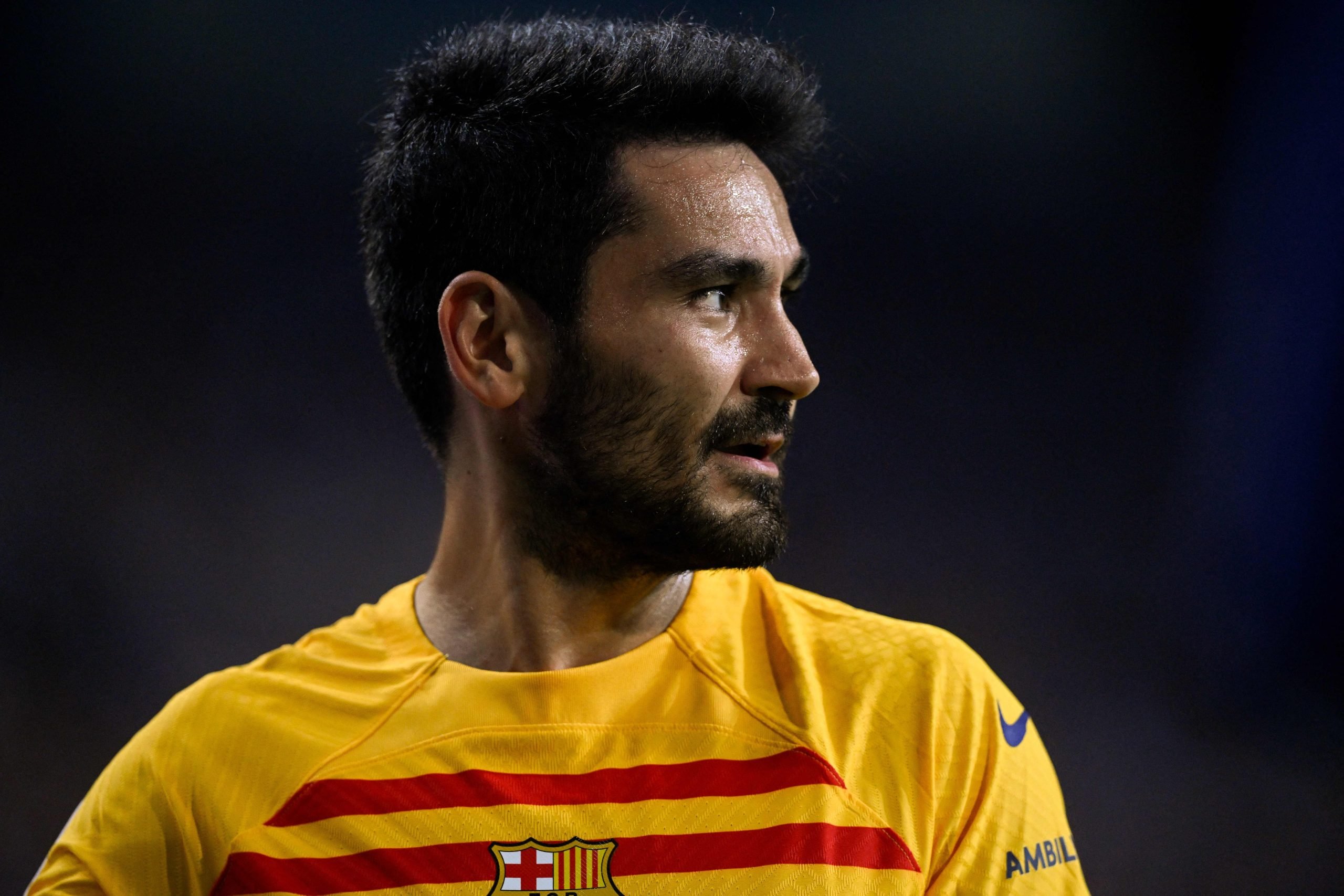
Barcelona’s current financial struggles have placed them in a challenging position, forcing the club to make tough decisions that could impact their performance on the pitch.
One of the most surprising and difficult choices they face is the potential sale of Ilkay Gundogan, who was arguably their standout player last season.
Many fans are perplexed as to why Barcelona would consider parting ways with such an influential player, especially after his stellar contributions. However, as Santi Ovalle, a well-known Barcelona pundit, pointed out, the decision is purely driven by financial necessity.
If the club were not in such a dire economic situation, Gundogan would undoubtedly remain a key figure in the team. Unfortunately, Barcelona’s pressing need to free up salary space to register new signing, Dani Olmo, has made this move almost inevitable.
Interestingly, this is not the first time that Barcelona have had to offload valuable players due to external financial pressures.
Over the past few years, the club has repeatedly found itself in a position where it must prioritise economic considerations over sporting ambitions.
The case of Arthur Melo

A prime example of this is the case of Arthur Melo. When Barcelona signed Arthur from Gremio, there was significant excitement among fans who believed he could become a cornerstone of the team.
However, after just two seasons, he was sold to Juventus in a deal that raised many eyebrows. The transaction saw Arthur move to Juventus in exchange for Miralem Pjanic, with an additional €10 million paid by the Italian club.
On paper, the deal was valued at €72 million, but the true financial dynamics were far more complex.
The high valuation of both players in a post-pandemic market seemed unrealistic, and the deal only made sense when viewed as an accounting manoeuvre rather than a genuine footballing decision.
The inflated prices were necessary for both clubs to meet their financial objectives, particularly in terms of Financial Fair Play (FFP) regulations.
The immediate “income” from the sale was recorded in full, while the outgoing costs were amortised over the length of the players’ contracts.
This creative accounting allowed Barcelona to post a substantial profit, nearly €50 million, just in time for the end of the financial year.
The deal, while beneficial from a financial perspective, did little to address the club’s on-pitch needs and was more about balancing the books than improving the squad.
Malcom’s failure to reach potential
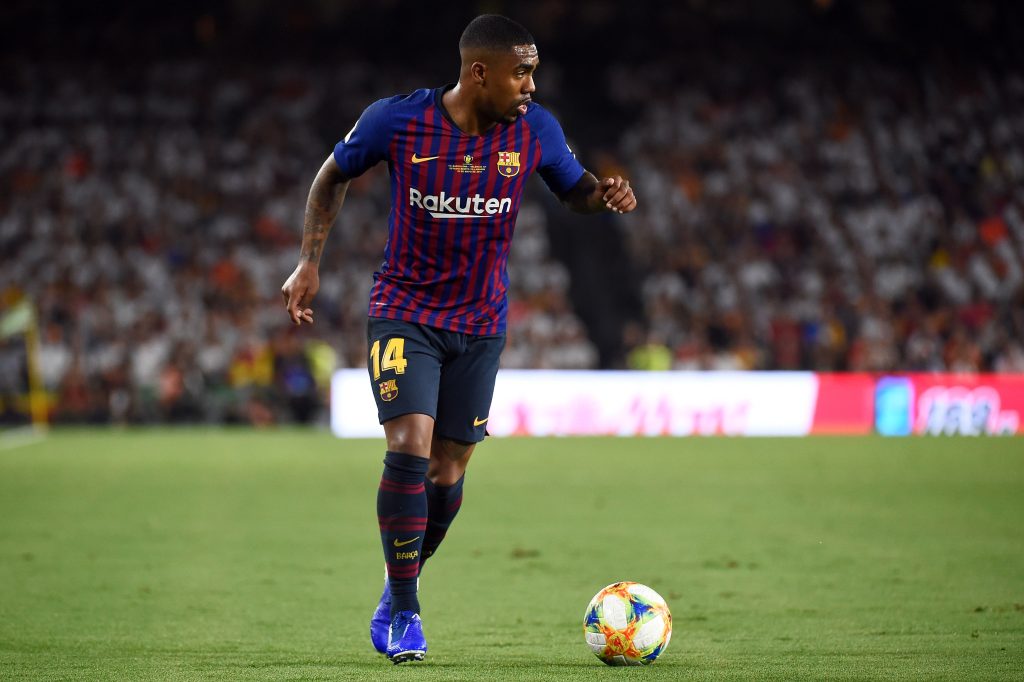
Another example of Barcelona’s financially driven decisions is the acquisition and subsequent sale of Malcom in 2018.
Malcom’s signing was part of a broader transfer strategy that has since been widely criticized for its lack of foresight. Many believe that the club’s decline began with the world-record sale of Neymar to Paris Saint-Germain for €222 million in 2017.
The windfall from Neymar’s sale was quickly reinvested in several big-name signings, including Philippe Coutinho, Ousmane Dembele, and Malcom. However, this spending spree did not yield the expected results, and Malcom, in particular, struggled to make an impact.
With competition from players like Coutinho and Dembele, Malcom found it difficult to secure regular playing time, and his tenure at Barcelona was marked by only 24 appearances, most of which were brief cameos.
Eventually, the club decided to cut their losses, selling Malcom to Zenit Saint Petersburg for over €40 million. This sale was part of an effort to recoup some of the funds spent on previous transfers and to free up a non-EU spot in the squad.
Alongside Malcom, Barcelona also offloaded several other players, bringing in over €120 million from sales that summer.
While these moves may have helped the club’s finances in the short term, they also highlighted the challenges Barcelona face in balancing their economic realities with their footballing ambitions.
 Poor
 Good
 Excellent